Knives for Everyday Carry
EDC Knives and Multi-Tools
How to Choose an EDC Knife That Fits Your Life
Everyday carry is personal. The knife that works for a contractor who uses a blade dozens of times per day is different from the one that works for someone who carries a knife primarily for preparedness and uses it occasionally. Here is how to think through the choice:
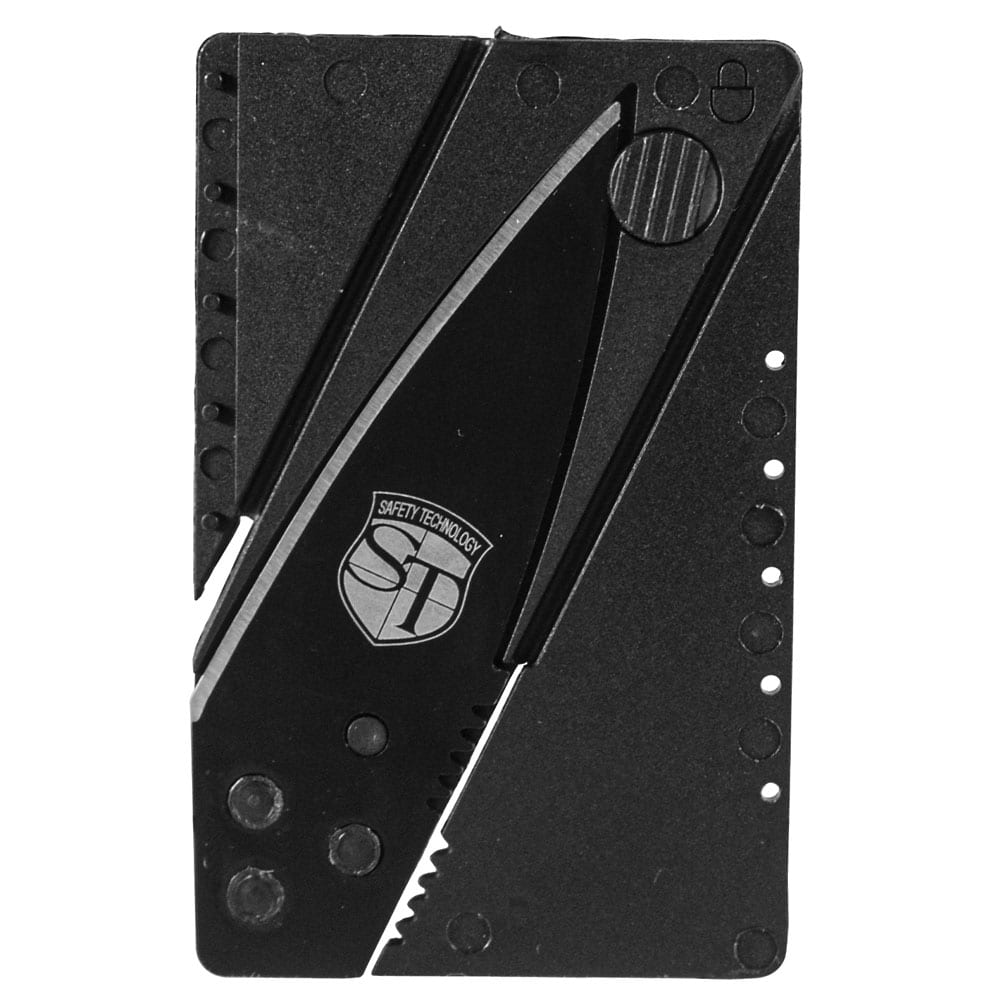
If you want something you will forget you’re carrying: The credit card knife or pen knife. The credit card knife is the thickness of a few playing cards. The pen knife is indistinguishable from any other pen in your pocket. Both add essentially zero bulk. The tradeoff is blade size — 2.13″ to 2.75″ is enough for most utility tasks but is not a high-utility work knife.
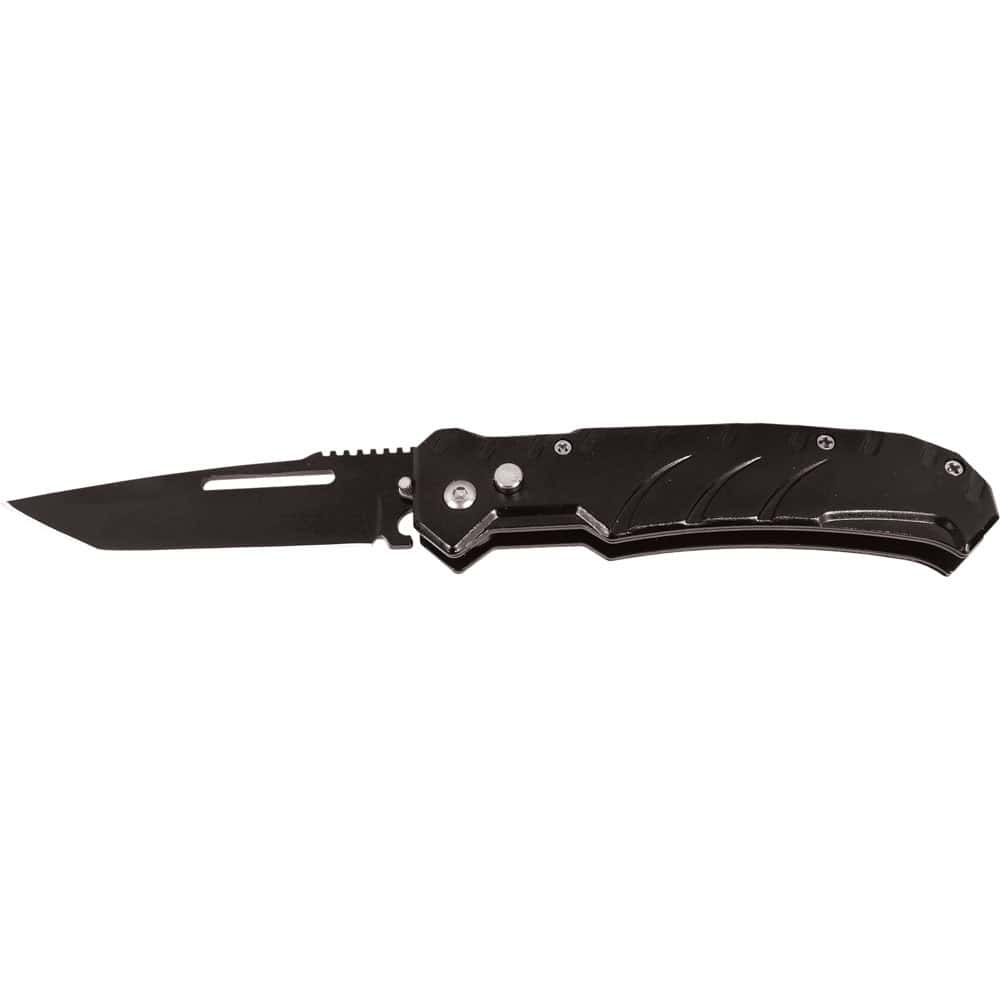
If you want a true working folder you reach for every day: The assisted-open or automatic folder with a 3.5″ blade. A 3.5″ stainless blade handles most real-world cutting tasks — opening packages, cutting food, slicing cord, breaking down cardboard. The belt clip positions the knife for a fast draw, and the spring-assisted or automatic open means you are never fumbling with two hands to get the blade out.
If you want utility plus preparedness in your wallet: The Survival Business Card. Eleven tools in a wallet card is genuinely useful, and the combination of can opener, screwdriver, saw, wrench, and ruler means it covers a wide range of situations where a full tool kit is not available. It is not a replacement for a dedicated cutting knife, but it can replace a small multi-tool.
What to Know About EDC Knife Laws
Knife carry laws in the United States vary more than most people expect. The following general guidelines apply in the majority of jurisdictions, but are not a substitute for checking your specific state and local laws:
Blade length is the most common restriction. Most states permit folding knife carry with blades under 3 to 4 inches. All of the everyday carry knives we sell fall within this range.
Knife type matters in some states. Automatic and switchblade knives are restricted or prohibited in certain states even at legal blade lengths. Assisted-open knives occupy a different legal category in most jurisdictions and are more broadly permitted. The credit card knife and pen knife are folding knives and are generally treated accordingly.
Concealed vs. open carry rules differ by state. Some states have stricter rules for concealed knife carry than open carry. A knife in your pocket is typically considered concealed.
Local ordinances can be stricter than state law. New York City, for example, has very strict knife rules that differ significantly from New York State law. Always check city and county ordinances in addition to state statutes.
We maintain a detailed Laws & Restrictions page with state-by-state coverage.
Maintenance Makes the Difference
A quality EDC knife that is never cleaned or sharpened will eventually become a less useful tool. The basics are simple: wipe the blade dry after use (particularly after cutting food or anything wet), and apply a drop of light oil to the pivot and any moving parts every few months. For the automatic and assisted-open models, keep the deployment mechanism free of lint and debris. A blade that opens hesitantly is a liability; a blade that opens smoothly and confidently is an asset.
Sharpening frequency depends on use. A knife used for heavy daily tasks may need sharpening monthly; one used occasionally can go much longer. Most stainless steel blades at this price point sharpen easily on a basic whetstone or a ceramic rod. Keeping an edge means the knife does its job with less force and less risk of slipping.
Frequently Asked Questions
Not Sure Which EDC Knife Fits Your Routine?
Call us at 800-859-5566 and we will help you narrow it down based on how you carry, what you use a knife for, and your state's laws.
Shop All Knives