
Door & Window Alarms for Kids and Toddlers
Our Top Picks for Child Safety Door and Window Alarms



What to Look for in a Door or Window Alarm for Toddlers
Not every door alarm is designed with child safety in mind. A sensor marketed for home security might include a long entry delay, a quiet alert, or a complicated arming process — none of which work when speed and simplicity are the priority. Here’s what actually matters:
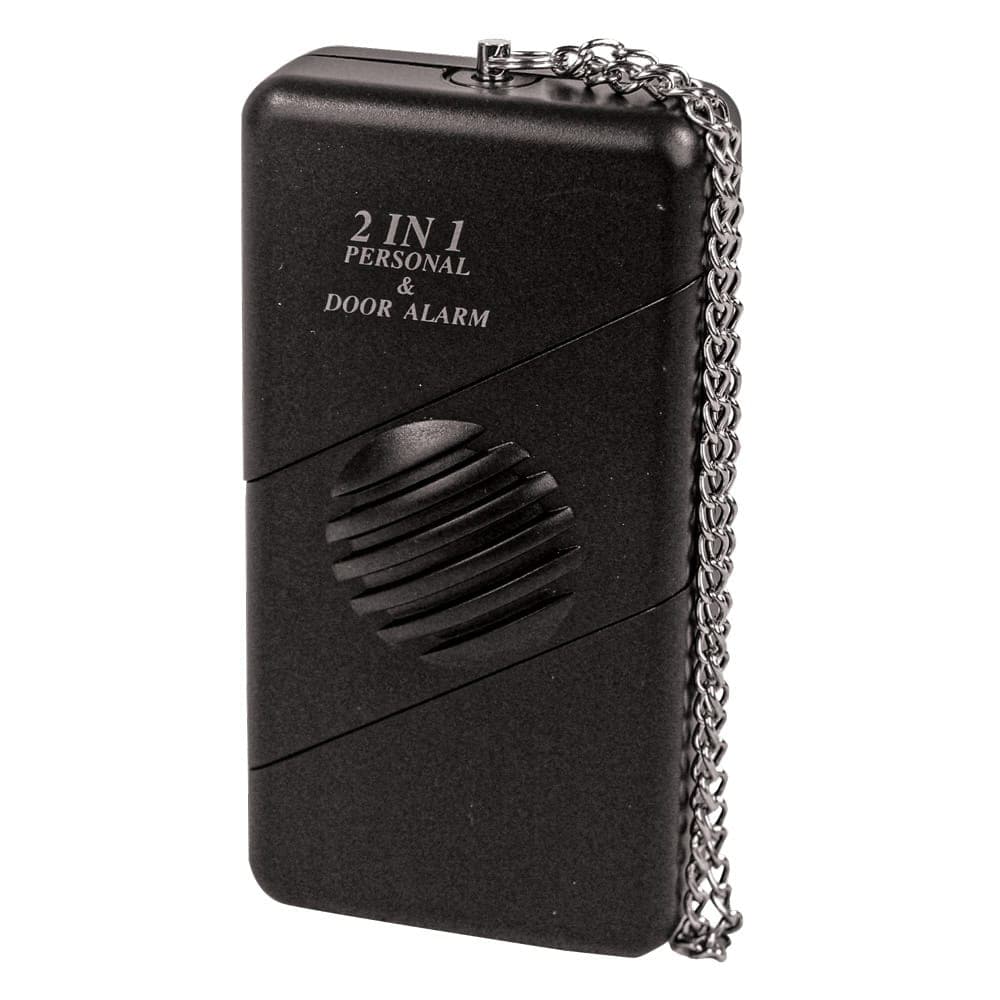
Volume is non-negotiable. A 100dB alarm or louder is the minimum worth considering. That’s roughly the volume of a car horn — loud enough to reach you from the opposite end of the house, outside in the yard, or in a room with the TV on. The 2-in-1 Door Alarm hits 120dB; the 3-in-1 Personal Alarm reaches 130dB. Both carry through walls and closed doors in most homes.
Zero-delay triggering. Some alarms include a programmable entry delay designed for adults who need a few seconds to disarm. That feature works against you in a child-safety context. You want the alarm to sound the instant the door or window opens — no grace period.
No-tool installation. The magnetic 2-pack and glass break sensors install in under a minute with peel-and-stick adhesive. The 2-in-1 doorknob alarm requires no mounting at all — it hangs directly over the handle. If installation is easy, you will actually put one on every exit that matters.
Match the product to the exit type. Magnetic contact sensors work on hinged doors, double-hung windows, and sliding glass doors. The vibration sensors in the glass break alarm detect force or impact before a window fully opens. Using both types together on the same window gives you two independent triggers on your highest-risk exits.
How to Use Door and Window Alarms to Protect Young Children
The goal isn’t to lock a child in — it’s to give you an instant alert the moment an exit is opened unexpectedly. Here’s a practical deployment approach:
Cover every ground-floor exit, not just the front door. Toddlers are opportunistic. If the front door has an alarm but the back sliding door doesn’t, that’s where they’ll go. Walk your home and identify every door or window a child could realistically reach — front door, back door, sliding patio door, garage entry, and any low-sill windows. Every one of those is an installation point.
Use the dual-mode alarm strategically. The 3-in-1 alarm’s chime setting is useful during active daytime hours when you want awareness without a full-volume alert. Switch to the full alarm mode for nap time and overnight, when response time matters most.
Add window vibration sensors to your highest-risk windows. The glass break alarm triggers on impact and vibration — catching an attempt to open a window before it fully clears the frame. Combined with a magnetic contact sensor, you have two independent triggers on the same exit.
Arm alarms as part of a consistent bedtime routine. Arm the door and window alarms when you put the child down, and disarm them when you’re actively monitoring. An alarm that gets skipped on tired evenings creates exactly the gap where incidents happen.
Frequently Asked Questions
Not Sure Which Setup Is Right for Your Home?
Every floor plan is different. If you're not sure which sensors to use on which exits, call us at 800-859-5566 and we'll help you put the right alarm on every door and window that matters.
Shop All Door and Window AlarmsMore Home Safety Guides for Families: