
Hidden Cameras for Elderly Care
Our Top Picks for In-Home Elder Care Monitoring


Why Families Use Cameras to Monitor Elder Care
The decision to monitor an elderly parent or family member’s caregiving environment is rarely taken lightly. Most families turn to hidden cameras after noticing warning signs — unexplained bruises, changes in behavior or mood, a loved one who seems fearful or withdrawn, inconsistencies in the caregiver’s account of the day. A camera doesn’t accuse anyone. It simply records what happens.
Elder abuse is underreported. According to the National Council on Aging, approximately one in ten Americans over the age of 60 has experienced elder abuse. The majority of incidents are never reported — often because the victim has dementia, is physically limited, fears retaliation, or has developed a dependency on the abuser. A hidden camera captures what verbal reporting cannot.
Caregiver monitoring is also protective. Most families who install care cameras never see anything concerning — and that is itself valuable. The footage confirms that care is being delivered as expected, that medications are administered correctly, that meals are prepared, and that the person in their care is being treated with dignity. Cameras document good caregiving as much as they document bad.
Cameras protect caregivers too. Paid in-home caregivers can face false accusations. Video footage that exonerates a falsely accused caregiver protects everyone — the care recipient, the family, and the professional whose reputation is at stake.
Where to Place a Camera in an Elder Care Home Setting
Effective placement covers the spaces where care interactions are most frequent and where abuse — if it occurs — is most likely to happen.
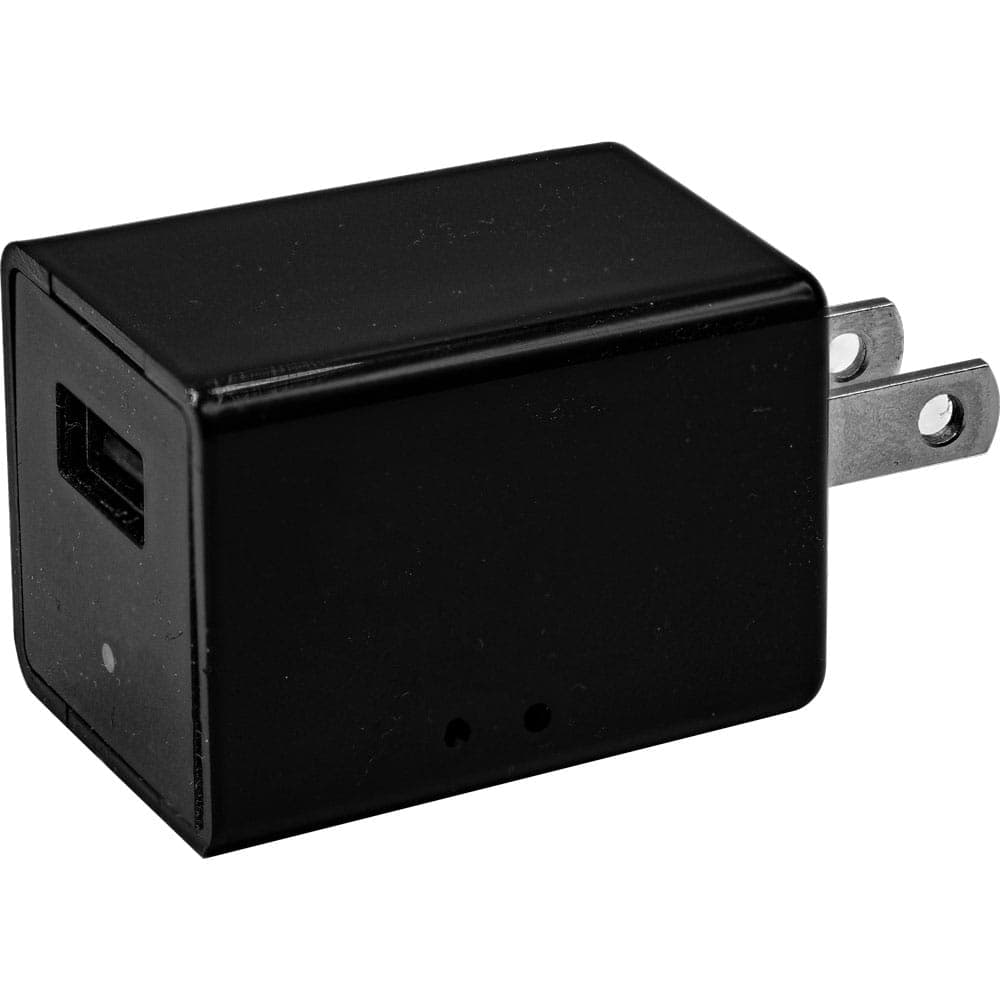
The bedroom is the primary priority in most elder care situations. This is where bathing assistance, dressing, and personal care take place — also where most documented incidents of caregiver abuse occur. A USB charger camera on a nightstand or dresser at seated bed-height covers the bed, the care space around it, and any approach from the door. It draws no attention as a charger in a room where phones and devices charge regularly.
The living room or main care area is the second zone. This covers assisted mobility, medication reminders, supervised activities, and daytime interactions. A mini cube camera on a bookshelf or entertainment unit covers this area with motion-activated recording and starts automatically when the room is occupied.
For family check-in visits to care facilities, the wearable options — eyeglasses or necklace cameras — are more appropriate than stationary units. These allow a visiting family member to document what they observe during a visit without placing permanent equipment in a facility. Battery life of 1 to 2 hours covers most in-person visits comfortably.
Bathrooms are off-limits. Even within a family home, recording in a bathroom creates serious privacy and legal exposure. Avoid this placement entirely.
What to Do If You Capture Something Concerning
If footage shows what appears to be neglect, abuse, or mistreatment, how you respond matters as much as what you captured.
Stop recording and preserve the original SD card. Do not delete anything, re-record over the footage, or make edits. Label the card with the date and time and put it somewhere secure. Make a backup copy on a password-protected computer before taking any other action.
Contact Adult Protective Services (APS). Every state has an APS program that investigates elder abuse reports. They can assess the situation, coordinate care transitions, and involve law enforcement when appropriate. The Eldercare Locator (1-800-677-1116) connects you to your local APS office.
Consult an attorney before confronting the caregiver or sharing footage. Footage chain-of-custody, how it was obtained, and how it’s shared all affect its usefulness in any legal or administrative proceeding. An attorney can advise on your rights, obligations, and options before you take action.
Arrange immediate alternative care if necessary. If the footage indicates an urgent safety concern, prioritize removing the person from the situation before addressing legal matters. Safety first — documentation second.
Frequently Asked Questions
Not Sure Which Camera Is Right for Your Situation?
If you need help selecting a camera based on room type, power access, or care setting, call us at 800-859-5566. We'll help you find the right model and placement for your specific situation.
Shop All Hidden Cameras